How Art and Mood Impact Transform Your Interior Spaces

When you step into a room, what’s the first thing that catches your eye? For me, it’s often the art on the walls. Art has this magical ability to breathe life into a space, turning a simple room into a vibrant, welcoming haven. Whether you’re a new homeowner, a home stylist, or managing a vacation rental, understanding how art and mood impact your interiors can be a game-changer. Let’s dive into how you can harness the power of art to transform your space’s atmosphere and make every corner feel just right.
The Power of Colour and Texture in Art and Mood Impact
Colours speak louder than words when it comes to setting a mood. Think about it: a splash of bright yellow can instantly lift your spirits, while deep blues invite calm and reflection. When you choose art for your walls, you’re not just picking a pretty picture—you’re selecting a mood enhancer.
Texture in art also plays a subtle but powerful role. A thickly painted canvas with bold brush strokes adds energy and movement, while a smooth, minimalist print can create a sense of peace and order. Combining different textures in your art collection can add layers of interest and emotion to your interiors.
Practical tip: Start by identifying the mood you want in each room. For a lively living room, go for warm colours and dynamic textures. For bedrooms, cooler tones and softer textures work wonders.

How Art Shapes Space and Creates Atmosphere
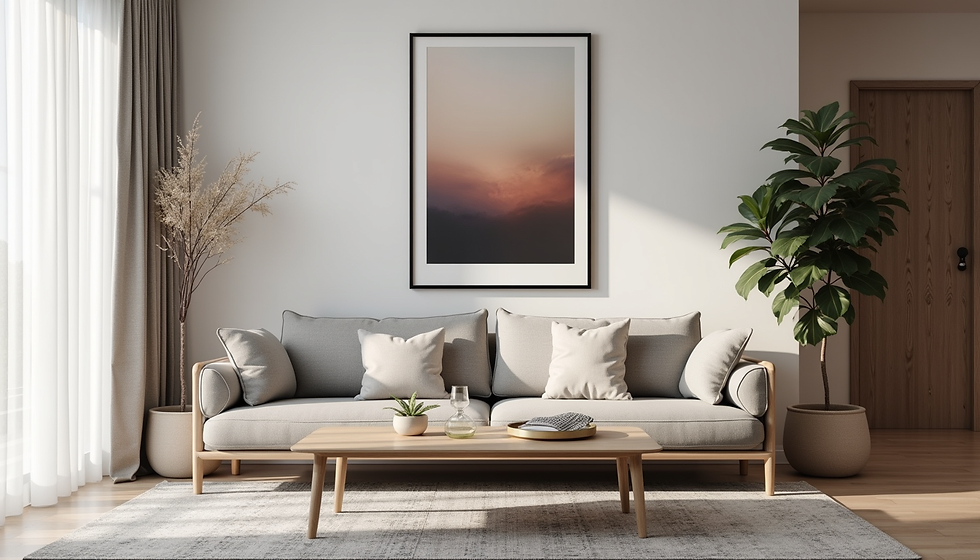
Art doesn’t just decorate a room—it defines it. Large-scale pieces can anchor a space, giving it a focal point that draws the eye and invites conversation. Smaller artworks, when grouped thoughtfully, can create a gallery wall that tells a story or reflects your personality.
Placement matters too. Hanging art at eye level ensures it’s easily appreciated, while positioning pieces near natural light can enhance their colours and textures. Mirrors and reflective art can amplify light and make rooms feel larger and more open.
If you’re styling a vacation rental, consider art that evokes a sense of place or relaxation. Coastal scenes, native flora, or abstract landscapes can transport guests and make their stay memorable.
Try this: Mix and match frames and styles to keep things fresh and personal. Don’t be afraid to rotate your art seasonally to keep the mood evolving.
The Emotional Connection: Why Art Feels Like Home
Art has a unique way of connecting with our emotions. It can spark joy, nostalgia, or calmness—sometimes all at once. When you choose art that resonates with you, it makes your space feel truly yours.
For new homeowners, this emotional connection is especially important. Your home is your sanctuary, and art helps tell your story. It reflects your tastes, your travels, and your dreams. This personal touch can make even a newly built house feel warm and lived-in.
Vacation rental hosts can also benefit from this emotional pull. Art that feels authentic and inviting encourages guests to relax and enjoy their stay, often leading to better reviews and repeat bookings.
Remember: Art doesn’t have to be expensive or famous to be meaningful. Local artists, prints, or even DIY pieces can add that heartfelt touch.

How to Choose Art That Complements Your Interior Style
Matching art to your interior style is like finding the perfect accessory for an outfit. It should enhance, not clash. Here’s a quick guide to help you pick art that fits your space:
Modern and Minimalist: Opt for abstract prints, geometric shapes, or monochrome palettes.
Bohemian and Eclectic: Choose vibrant colours, mixed media, and culturally inspired pieces.
Classic and Traditional: Look for landscapes, portraits, or still life paintings with rich colours.
Coastal and Relaxed: Select art featuring ocean scenes, sandy tones, and natural textures.
Don’t forget scale and proportion. A tiny print in a huge room can feel lost, while an oversized piece in a small space might overwhelm. Balance is key.
If you’re unsure, start with one statement piece and build around it. This approach keeps your space cohesive and allows your personality to shine through.
Bringing It All Together: Practical Tips for Art Placement and Care
Now that you know how art impacts interior mood, let’s talk about making it work in your home or rental.
Lighting: Use adjustable spotlights or picture lights to highlight your art. Natural light is great but avoid direct sunlight to prevent fading.
Grouping: Create clusters of smaller pieces for a dynamic look or keep it simple with one large artwork.
Frames: Choose frames that complement your décor style. Sleek metal frames suit modern spaces, while wooden frames add warmth.
Rotation: Refresh your space by swapping art seasonally or whenever you want a mood shift.
Care: Dust your art regularly and handle with clean hands. For valuable pieces, consider professional cleaning.
By thoughtfully selecting and caring for your art, you’ll keep your interiors feeling fresh, inviting, and full of personality.
Art is more than decoration—it’s a mood maker, a story teller, and a personal statement. Whether you’re styling your new home, curating a rental, or simply looking to refresh your space, embracing the art and mood impact can transform your interiors in ways you never imagined. So go ahead, pick that perfect piece, hang it with pride, and watch your space come alive!
For more insights on how art impacts interior mood, explore our collection of vibrant Australian digital art designed to inspire and personalise your home.
Happy decorating!


Comments